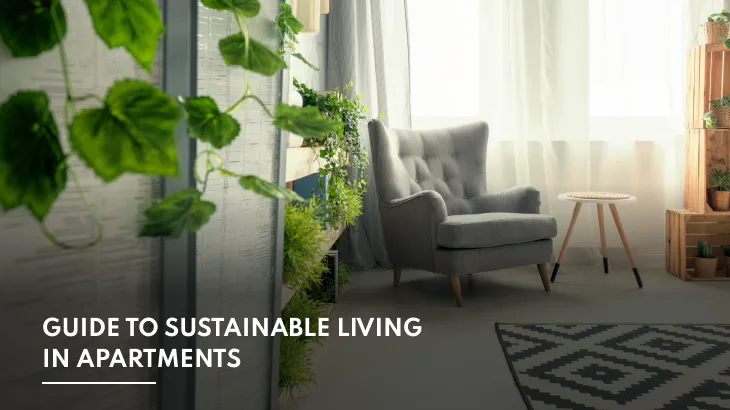
Sustainable living shapes our identities, influences our worldview, and motivates more people to strike a balance between luxury and meaningful contributions to protecting the planet.
This blog explains sustainable living and offers simple, stylish ways to make eco-conscious choices in apartment life.
- What is Sustainable Living?
- Why Does Sustainable Living Matter?
- What Key Features Define Sustainable Apartments?
- What Are the Most Practical, Sustainable Apartment Ideas?
- What Benefits Will You See from Sustainable Apartment Living?
- How One Bangalore West Contributes to Sustainable Living in Apartments
- Conclusion
What is Sustainable Living?
Sustainable living means practising a lifestyle that meets our needs without compromising the well-being of future generations. It involves using resources wisely, making informed choices, and ensuring our descendants can lead the life we envision for them.
In urban housing, sustainable living means minimising environmental impact through innovative design, resource efficiency, and thoughtful daily habits. It entails:
- Efficient energy usage and less consumption.
- Water conservation, harvesting, reuse, and low-flow fixtures.
- Waste reduction, reuse, recycling, and composting.
- Use of low-impact and non-toxic materials.
- Maintaining indoor health, biodiversity, and ecosystem balance.
Why Does Sustainable Living Matter?
IEA reports in 2023 show that buildings account for nearly 37% of global energy-related CO2 emissions. Every apartment we build, light, or cool contributes to that carbon footprint, which means every conscious design decision also has the power to reverse it.
Since apartments house dense populations, every small change at the unit level multiplies city-wide, turning collective action into a measurable environmental impact. Sustainable living is not a niche pursuit. It is the lifeline for robust cities, resilient communities, and a livable planet.
What Key Features Define Sustainable Apartments?
Sustainable apartments are about minimising harm and maximising environmental benefits. Here are key architectural and system features every eco-conscious apartment should aim for:
1. Rainwater Harvesting Systems
Studies show that a well-designed rainwater harvesting system can significantly reduce water consumption and stormwater runoff. Rooftop rainwater is collected, filtered, and stored for non-potable uses such as toilet flushing or landscaping. To remain effective, the design must consider local rainfall variations and long-term climate trends.
2. Insulation & Thermal Design
Proper insulation is crucial for maintaining indoor comfort and minimising heating or cooling energy requirements. Using eco-friendly materials, such as recycled cellulose, natural fibres, and low-embodied energy boards, helps minimise the environmental footprint. Sealing heat leakage through walls, roofs, and windows ensures consistent indoor temperatures and lower energy bills.
3. Green Spaces and Gardens
Integrating rooftop gardens, green roofs, or vertical planting systems can make a visible difference. These features retain up to 75% of rainwater, reduce the urban heat island effect, filter air pollutants, and promote biodiversity. Even compact balcony gardens add aesthetic value while improving mental well-being.
4. Natural Ventilation & Daylighting
Sustainable apartment layouts prioritise natural airflow and sunlight. Placing windows on opposite walls encourages cross-ventilation, while large openings, reflective surfaces, and light shelves maximise daylight. It not only lowers dependence on artificial lighting and air conditioning but also enhances occupant health and comfort.
What Are the Most Practical, Sustainable Apartment Ideas?
Here are actionable ideas for an eco-friendly apartment living:
1. Compost Organic Waste
Set up a compact compost bin on your balcony or under the sink to convert kitchen scraps into nutrient-rich compost. The practice reduces landfill waste and supports the growth of balcony or indoor gardens.
2. Segregate Waste Effectively
Use clearly labelled bins for dry, wet, recyclable, and e-waste materials. Consistent segregation ensures that recyclables don’t end up in landfills, making disposal easier for your community’s waste system.
3. Grow Indoor Plants
Incorporate greenery through potted plants, vertical gardens, or hydroponic setups. Plants improve indoor air quality, create a calming atmosphere, and add natural beauty to small spaces.
4. Prevent Heat and Energy Leakage
Install weather-stripping, double-glazed windows, draft guards, and thick curtains to maintain a stable indoor temperature. Reducing energy leakage helps lower electricity bills and improves overall comfort.
5. Adopt Solar Solutions
If permitted by your building, invest in rooftop solar panels or solar water heaters. Even partial solar integration can reduce dependency on conventional power and lower your carbon footprint.
6. Choose Reusable Alternatives
Opt for steel bottles, glass jars, beeswax wraps, and cloth napkins instead of single-use plastics. These swaps are simple to maintain and significantly cut down household waste.
7. Use Smart Home Automation
Install smart thermostats, motion-sensor lights, and energy monitoring systems to optimise electricity use. Automation helps identify waste patterns and promotes mindful energy consumption.
What Benefits Will You See from Sustainable Apartment Living?
1. Lower Utility Bills and Efficient Resource Use
According to the World Green Building Council (WGBC), energy-efficient systems, high-performance insulation, and solar energy can reduce power and water bills by 20–40%. Rainwater harvesting and greywater recycling reduce water consumption by up to 50% in optimised systems. Studies also confirm that green-certified buildings have an average 14% lower operational cost compared to standard ones.
2. Improved Indoor Air Quality and Holistic Health
Low-VOC paints, natural finishes, and cross-ventilation help improve air quality by reducing toxins and enhancing overall well-being. Indoor plants and ample daylight can lower stress and improve cognitive function, leading to better sleep, increased productivity, and enhanced immunity.
3. Reduced Carbon Footprint and Long-Term Resilience
Climate-adaptive architecture, passive cooling, and reflective roofs lower indoor temperatures by up to 4°C, reducing energy demand. Locally sourced, durable materials enhance longevity and minimise the embodied carbon footprint.
4. Improved Property Value and Tenant Demand
Eco-certified homes command an 8–10% higher resale value, driven by rising demand from ESG-conscious buyers and tenants.
In short, sustainability has become a marker of premium real estate. That’s why One Bangalore West’s sprawling 17-acre luxury apartment project in Malleshwaram features 80% open spaces, a tree-lined boulevard, and elevated cabanas, inspiring its residents to reconnect with nature in the best possible ways.
5. Strong Sense of Community and Social Value
Shared gardens, composting programs, and clean energy initiatives foster collaboration and a sense of belonging..
How One Bangalore West Contributes to Sustainable Living in Apartments
At One Bangalore West, every architectural element, infrastructure detail, and community planning aspect is treated with finesse, reflecting an intention to balance modern comfort with environmental mindfulness.
1. Eco-conscious Building Design
One Bangalore West utilises energy-efficient facades and high-performance glass to minimise heat gain, thereby reducing the need for artificial cooling and ensuring year-round thermal comfort. LED lighting, motion sensors, and centralised energy management systems optimise power use. The development adheres to IGBC Green Building Standards, ensuring it meets nationally recognised benchmarks for reduced emissions, water savings, and resource efficiency, thus setting the tone for responsible urban living.
2. Water Conservation and Smart Recycling
The project integrates rainwater harvesting and dual plumbing networks, ensuring that every drop collected can be reused. Water-efficient fixtures and drip irrigation systems collectively reduce consumption by up to 50% of the total water used each year. This circular approach ensures residents enjoy modern amenities without straining local water resources..
3. Expansive Green Spaces
Over 70% of the campus is dedicated to open, landscaped spaces, gardens, and shaded trails. Vertical gardens and rooftop greens lower surrounding temperatures, absorb pollutants, and improve air quality, creating a microclimate that benefits both residents and the city’s environment. These spaces invite residents to reconnect with nature right outside their homes, redefining apartment living as both sustainable and serene.
4. Responsible Waste and Circular Systems
Residents participate in segregated waste collection, ensuring recyclables and organics are properly processed. On-site composting units convert organic waste into nutrient-rich fertiliser that’s reused within the property’s gardens. Partnerships with certified recyclers ensure safe disposal of e-waste and plastics.
5. Renewable Energy and Clean Mobility
Solar panels power common areas and reduce reliance on grid electricity. The integration of EV charging stations encourages residents to adopt electric vehicles, while the community’s walkable layout and proximity to public transit promote healthier, low-carbon commuting.
6. Community Engagement
One Bangalore West hosts awareness workshops, community drives, and sustainability campaigns that foster shared responsibility. Maintenance teams actively track energy, water, and waste metrics to ensure systems remain efficient and compliant.
Conclusion
Sustainable living is the future, and your home must lead the change. Even in an apartment, as luxurious as those in Rajajinagar, Bangalore, you can integrate eco-friendly home design and sustainable house ideas without compromising on luxury or comfort.
Builders, especially those constructing 3BHK apartments in Bangalore, now focus on innovative architecture, sustainable systems, resourcefulness, and restorative materials. The path forward is not about denying modern living, but about upgrading it to a wholesome one. When we design for sustainability, we heal our cities, our planet, and ourselves.