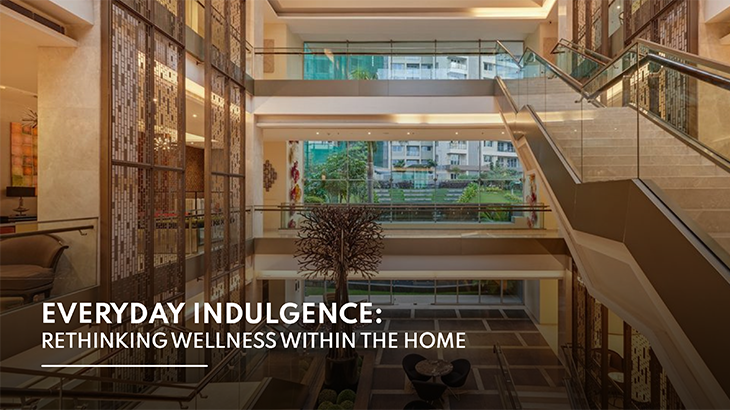
Urban life has always asked us to compartmentalise, to work in one place, rest in another, recover somewhere else. For years, wellness was something we sought outside the home. At a retreat. At a club. At a spa booked weeks in advance.
But today, that line is shifting. In well-designed residences, especially those that pay attention to rhythm, light, and lived experience, wellness is no longer a destination. It’s becoming a part of daily life, integrated, accessible, and personal.
This shift is quietly shaping the future of urban living. And it’s especially visible in how homes like Phoenix One Bangalore West are built, not just for residence, but for renewal.
Well-being, Designed as Infrastructure
In many residential communities, wellness spaces are treated as add-ons, the gym at the end of a corridor, the pool beside the clubhouse. They exist, but don’t invite. The difference in newer, intentional design lies in how these spaces are positioned and used.
At Phoenix One Bangalore West, wellness is embedded into the structure of life. It isn’t a facility. It’s a feature of how residents move through their day. Pools, spas, games room, mini theatre, yoga rooms, these are placed not for show, but for use. Designed to support micro-pauses in a fast-paced day, they reflect a growing need: the ability to recharge without stepping away from where you live.
Proximity Over Occasion
One of the most overlooked elements of wellness is proximity. Most urban residents would value a daily swim, a 20-minute steam, or a quiet place to stretch. But time, traffic, and scheduling often make these impossible.
The growing preference for home-based wellness stems from the simple fact that access shapes habit. When wellness is part of your surroundings, not something you have to plan for, it becomes routine. And that routine, however light or casual, adds up over time.
In this way, home becomes not just a place of return, but of restoration.
Spaces That Slow You Down, Subtly
Effective wellness design doesn’t need to declare itself. It doesn’t rely on glossy finishes or tech-forward features. What matters more is how a space feels.
At Phoenix, wellness spaces are built to reduce friction. There’s flow between indoors and outdoors. The use of natural light, earthy materials, and subdued colour palettes create an atmosphere of stillness, not performance.
It’s the kind of design that doesn’t interrupt your pace but gently shifts it. And in homes where every hour is accounted for, this soft pause is often more powerful than a scheduled break.
From Amenity to Attitude
More than a checklist item, wellness has become part of how people evaluate the quality of a living environment. It’s no longer about having a gym. It’s about having a space that lets you move, breathe, and reset, in small but meaningful ways.
And as wellness becomes more integrated into home design, it’s also influencing the larger cultural idea of luxury. Not as consumption, but as care. For the self, for the schedule, for the space you inhabit.
Homes that acknowledge this, not just by offering amenities, but by making them usable, are better equipped to support long-term well-being.
A Quiet Recalibration
The conversation around wellness is evolving. It’s no longer about escape. It’s about access. And in cities like Bangalore, where lifestyle and liveability coexist, this access matters.
What we’re seeing in homes like One Bangalore West isn’t just a design trend. It’s a recalibration of how urban life is experienced. A return to spaces that support balance, not just activity. And a recognition that wellness isn’t a luxury when it’s built into your everyday.
We often treat well-being as something we reach for when we need it. But when it lives around us, quietly, consistently, it becomes part of how we live, not something we escape to.